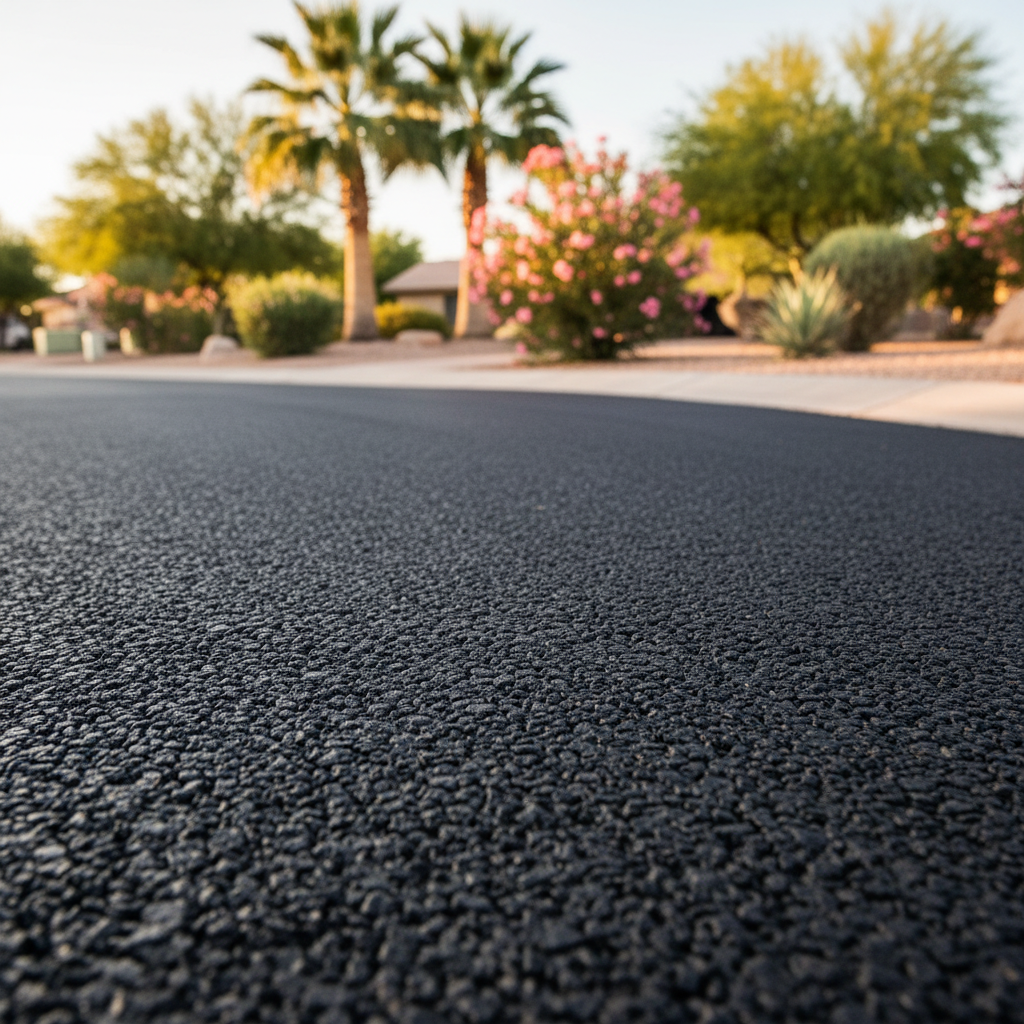
So, you're looking at your driveway and thinking it's time for an upgrade, or maybe you're just tired of those cracks. Residential asphalt paving can feel like a big project, and it definitely is. But here's the deal: some parts you can absolutely tackle yourself, and other parts? You're gonna want a pro. Let's break it down, from before the shovel hits the dirt to years down the road.
Before You Start: Planning Your Driveway Project
First things first, you need a plan. What's the size of your driveway? Do you have drainage issues? Are there any city easements or regulations you need to know about? For most residential projects in Chandler, especially if you're just replacing an existing driveway, you might not need a permit, but it's always good to double-check with the city's planning department. You don't want to get halfway through and find out you're in violation of something.
What you can DIY:
- Measure everything: Get accurate dimensions. This helps with material estimates.
- Research: Look at different asphalt options, talk to neighbors who've had work done.
- Budget: Figure out what you can realistically spend.
- Clear the area: Remove any old debris, overgrown bushes, or anything that's in the way.
When to call a pro:
- Drainage issues: If your yard pools water or slopes incorrectly, you need an expert to design proper grading. This is crucial in our monsoon season; you don't want water sitting on or under your new asphalt.
- Major excavation: If you're building a new driveway from scratch or need significant earth moved, that's heavy equipment territory.
- Permit navigation: If your project is complex or involves changes to public right-of-way, a contractor often knows the ropes better.
During the Project: The Paving Process
This is where the rubber meets the road, literally. A good asphalt driveway isn't just a layer of black stuff. It's a carefully constructed system designed to last. You've got your subgrade, then a base layer, and finally the asphalt surface.
What you can DIY (with caution):
- Small patch repair: If you have a small pothole or crack, you can buy cold patch asphalt and tamp it down. It's a temporary fix, but it works for minor issues.
- Edge preparation: You can dig out edges and prepare forms if you're handy and have a clear plan.
When to call a pro (almost always for new installs):
- Subgrade and base prep: This is the foundation. It needs to be properly compacted, leveled, and often involves specific aggregate materials. If this isn't done right, your driveway will fail quickly. We've seen driveways in older Chandler neighborhoods, especially those built on expansive clay soils, crack prematurely because the base wasn't stable.
- Asphalt application: Hot mix asphalt needs to be laid at a specific temperature, spread evenly, and compacted immediately with heavy rollers. This isn't a job for a shovel and a hand tamper. You need specialized equipment and experienced operators to get a smooth, durable finish. Trying to do this yourself will likely result in an uneven, weak, and short-lived driveway.
- Large-scale repairs: If you have extensive cracking, heaving, or multiple potholes, it's beyond a simple DIY patch.
After the Project: Maintenance and Longevity
Once your beautiful new driveway is in, the work isn't entirely over. Proper maintenance is key to getting the most life out of your investment.
What you can DIY:
- Cleaning: Sweep off debris regularly. Wash it down with a hose. Keep oil and gas spills cleaned up quickly, as they can degrade asphalt.
- Crack filling: Small cracks, especially hairline ones, can be filled with asphalt crack filler you buy at a hardware store. This prevents water from seeping in and causing bigger problems, like freeze-thaw damage (though that's less of a concern here in Chandler than up north, water intrusion is still bad news).
- Sealcoating (smaller driveways): If you have a very small driveway, you might be able to apply sealcoat yourself with a squeegee. It's messy, but doable. Just make sure the surface is clean and dry.
When to call a pro:
- Sealcoating (larger driveways): For most residential driveways, a professional sealcoating job will be more even, last longer, and save you a huge headache. They have the right equipment for proper application. We typically recommend sealcoating every 2-3 years, depending on traffic and sun exposure.
- Extensive repairs: If you're seeing widespread alligator cracking, significant sinking, or large potholes that keep reappearing, it's time for a professional assessment. You might need a more substantial repair, like an overlay or even a full replacement in sections.
- Drainage adjustments: If you notice new pooling or drainage issues after a few years, a pro can help identify the cause and suggest solutions.
Look, I'm not going to tell you that you can't do anything yourself. You absolutely can handle some of the prep and basic maintenance. But for the actual paving, especially if you want a driveway that looks good and lasts for years in our Arizona sun, you're going to want to bring in a team that knows what they're doing. At Chandler Asphalt Paving, we've seen it all, and we're always happy to talk through your project and give you an honest assessment of what it'll take.