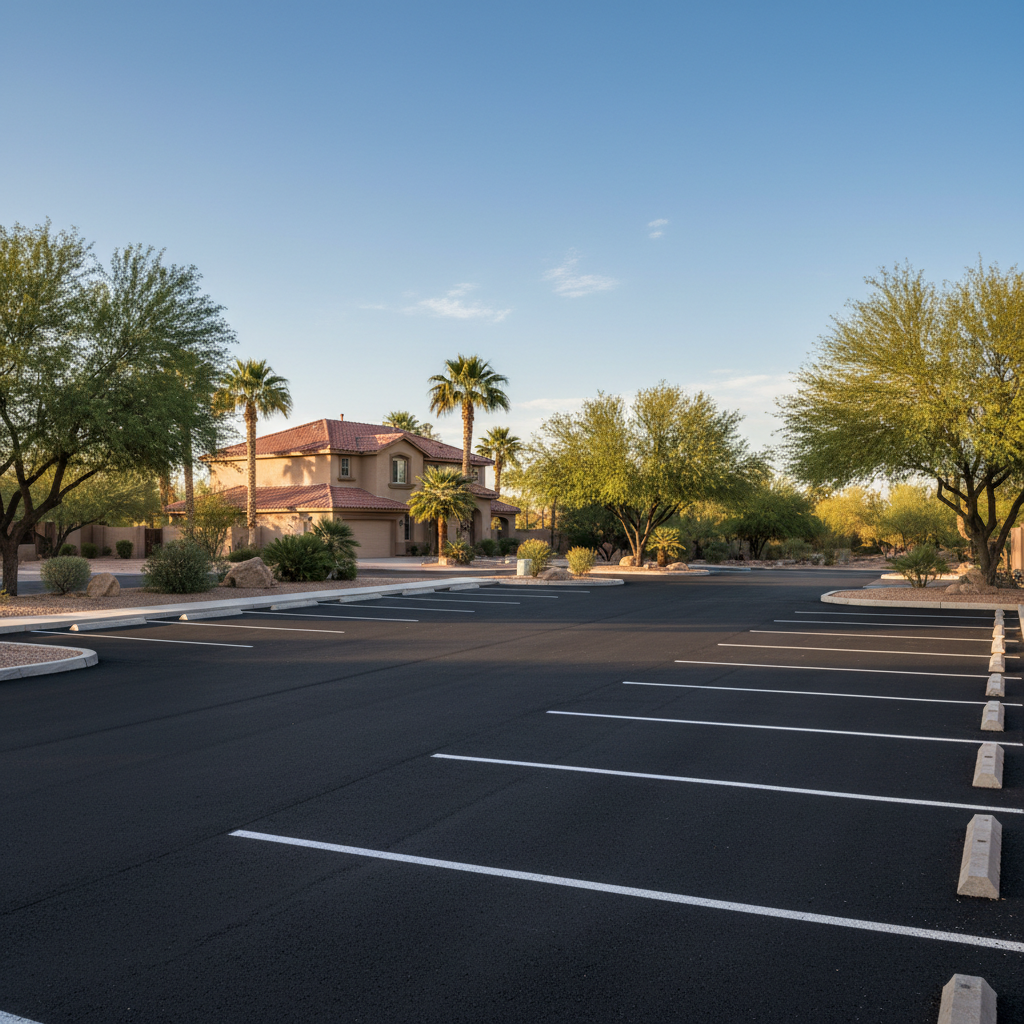
So, you're thinking about a new parking lot for your place here in Chandler. Maybe it's for an apartment complex, a small business, or even a really big custom home with a bunch of cars. Whatever the reason, it's a major undertaking, and you definitely want it done right. As someone who's been doing this work for years, trust me, I've seen it all – the good, the bad, and the truly awful. Let's chat about how to plan this whole thing out so you don't end up with a massive headache.
Setting Your Project Timeline
People always hit me with, "How long does this take?" And like most things, the honest answer is, "It really depends." But I can give you a general idea. From the moment you decide you need a new parking lot until the day it's ready for cars, you're probably looking at a few weeks to a couple of months, at least. Here's a rough breakdown:
- Initial Research & Quotes (2-4 weeks): You'll need to track down a few reputable contractors, get them out to your site, and compare their bids. Please, don't rush this part.
- Contract & Scheduling (1-2 weeks): Once you pick a contractor, you'll sign the paperwork and get on their schedule. Good contractors are usually booked up a bit, especially during our cooler months here in Chandler – that's when the weather's just right for paving.
- Permitting (Variable, 2-6 weeks or more): Depending on how big and complex your project is, you might need permits from the city of Chandler. Your contractor should help you figure this out, but it can add a lot of time. Don't skip this step; it'll definitely cause problems later.
- Construction (1-3 weeks): This is the actual work. Demolition, grading, laying the base, and then the asphalt itself. Weather plays a huge role here. We can't pave in the rain, and even extreme heat can mess with how the asphalt cures.
- Curing Time (2-7 days): After we lay the asphalt, it needs to cure before anyone can drive on it. This isn't optional, folks.
So, yeah, it's not an overnight job. Plan accordingly, especially if you have tenants or customers who will be impacted by the work.
What to Expect During the Paving Process
When we're on site, it's going to be a construction zone. There's just no getting around it. Here's what you should anticipate:
- Noise and Dust: We use heavy machinery – excavators, graders, rollers. It's loud, and there will be dust, especially when we're tearing things up and grading.
- Restricted Access: Parts of your property will be blocked off. We'll work with you to keep disruptions to a minimum, but you'll need a plan for cars and people moving around. This is especially important for businesses.
- Material Deliveries: Big trucks will be coming and going, bringing asphalt, aggregate, and other materials.
- Smell: Fresh asphalt has a distinct smell. It's not harmful, but you'll definitely notice it for a few days.
- Professional Crew: A good crew, like the folks at Chandler Asphalt Paving, will be organized, efficient, and focused on safety. We'll keep you in the loop about progress and any issues that pop up.
How to Prepare Your Property
You can make things a lot smoother for everyone by doing a little prep work yourself:
- Clear the Area: Remove anything that's in the way – old signs, planters, trash bins, vehicles. If there are sprinkler heads or other utilities near the paving area, mark them clearly.
- Communicate with Tenants/Customers: Give them plenty of notice about the project, restricted access, and alternative parking if they need it. The more notice, the better, honestly.
- Identify Utilities: If you know where underground utilities are (water lines, electrical conduits, irrigation), share that info with your contractor. Even if we call 811, your insights really help prevent surprises.
- Plan for Drainage: Think about where water currently goes when it rains. A good contractor will design the new lot with proper drainage, but it helps if you're aware of existing problem spots. Our monsoon rains here can be intense, so good grading is absolutely essential to prevent pooling and damage.
Key Questions to Ask Before Signing a Contract
Don't just sign the first thing someone puts in front of you. Ask these questions:
- What's included in the bid? Does it cover demolition, grading, base material, asphalt layers, striping, and any necessary drainage work? Get everything in writing.
- What kind of base will you use, and how thick will it be? The base is crucial for how long your lot lasts, especially with our expansive clay soils in some parts of Chandler. A weak base means a short-lived parking lot, no doubt about it.
- How thick will the asphalt layer be? There's a big difference between 2 inches and 4 inches. Thicker is almost always better for durability.
- What's your warranty? A reputable contractor will stand behind their work. Understand what's covered and for how long.
- Are you licensed and insured? This is non-negotiable. Ask for proof. You don't want to be liable if something goes wrong.
- Can you provide references? Talk to other property owners they've worked for. See their past projects if you can.
- What's your plan for traffic control and site safety during construction? How will they minimize disruption to your operations?
- What's the payment schedule? Typically, there's an upfront deposit, progress payments, and a final payment once the job is done. Be wary of anyone asking for all the money upfront.
Getting a new parking lot is a significant investment. Take your time, do your homework, and pick a contractor who communicates clearly and has a solid track record. That's how you get a smooth, durable lot that lasts for years.