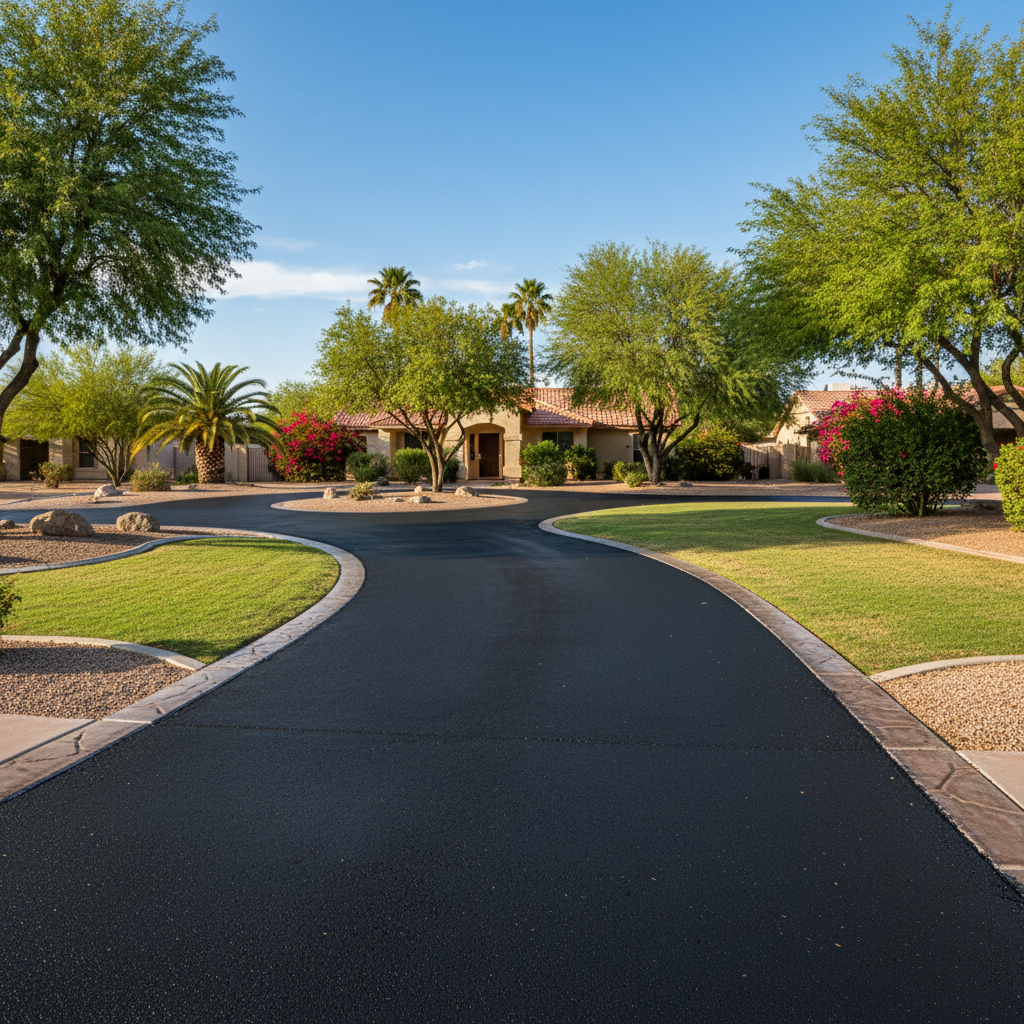
When's the right time to get that slurry coating done on your driveway or private road here in Chandler? That's a question I hear a lot, and it's a fair one. Our desert climate isn't like other places, you know; it throws some truly unique challenges at asphalt. Getting the timing right isn't just about what's convenient; it's about making sure your investment actually lasts.
The Best Time to Schedule Your Slurry Coat
Look, if you're even thinking about slurry coating, you're already on the right track to protecting your asphalt. It's a smart move, no doubt. But the when is super important. For us here in Chandler, the sweet spot for slurry coating is generally the cooler months. We're talking late fall, winter, and early spring. Think October through April, give or take a few weeks depending on how the specific year plays out.
Why those months? It all comes down to temperature. Slurry seal needs to cure correctly. If it's too hot, it can dry too fast, which often leads to cracking or a weaker bond. If it's too cold, it won't cure at all, leaving you with a real mess. You want those daytime temperatures to stay consistently above 50 degrees Fahrenheit, but ideally not much higher than 90 degrees. And that's surface temperature, not just the air temp. Our asphalt here in the Valley can get scorching hot in the summer, way over 150 degrees, and that's just too much for a good cure.
Another thing to consider is the sun. Even in cooler months, our Chandler sun is intense. A good contractor, like us at Chandler Asphalt Paving, will know to schedule work when the sun isn't directly overhead during the hottest part of the day, or we'll plan for smaller sections to manage drying.
Weather Conditions That Affect the Work
Beyond just temperature, a few other weather factors play a big role in whether we can even get the job done right:
- Rain: This is a huge one. Slurry seal is water-based, so if it rains before it's fully cured, it'll just wash right off or severely compromise the bond. We need at least 24-48 hours of clear, dry weather after we put it down. That's why trying to schedule during our monsoon season (July-September) is a non-starter. You simply can't guarantee enough dry time then.
- Humidity: While not as critical as rain or temperature, very high humidity can slow down the curing process. It's usually not a huge issue here in the desert, but it's something we keep an eye on, especially during those rare humid days.
- Wind: A little breeze is fine, even helpful for drying. But strong, sustained winds can be a real problem. They can blow dust and debris onto the wet slurry, affecting its finish and how well it sticks. They can also dry the surface too quickly in spots, leading to uneven curing.
So, when you call us for a quote, we're not just looking at your driveway; we're looking at the forecast for the next few days. We'd honestly rather reschedule than do a shoddy job because the weather didn't cooperate.
Protecting Your Slurry Coat Investment Year-Round
Once your slurry coat is down and cured, your job isn't quite over. You've made a smart investment, and now you need to protect it. Here's what you can do:
- Keep it Clean: Sweep off dirt, leaves, and debris regularly. Our desert winds kick up a lot of sand and grit, and that stuff acts like sandpaper on your asphalt over time. A leaf blower works great for this.
- Address Spills Immediately: Oil, gas, and other automotive fluids are asphalt's worst enemies, hands down. They break down the binder. If you see a spill, clean it up right away with an absorbent material and some mild soap and water. Don't let it sit there.
- Watch for Cracks: Even with a slurry coat, new cracks can form over time, especially with our expansive clay soils in areas like the south Chandler farmlands. Small cracks can turn into big problems fast. If you see them, get them filled. Don't wait until they become potholes, because they will.
- Limit Heavy Loads: Try to avoid parking heavy RVs or equipment in the exact same spot for extended periods. Concentrated weight can cause depressions or cracking over time, even on a well-maintained surface.
- Reapply When Needed: A good slurry coat typically lasts 3-7 years, depending on traffic and how well you maintain it. Don't wait until it's completely worn away before reapplying. Catch it when it starts to look faded or shows signs of wear to keep that protective layer strong.
Taking these steps will help you get the maximum life out of your slurry coating and keep your property looking sharp. It's all about being proactive, especially with our Arizona sun beating down on everything. If you've got questions about your specific situation, just give us a call. We're here to help.