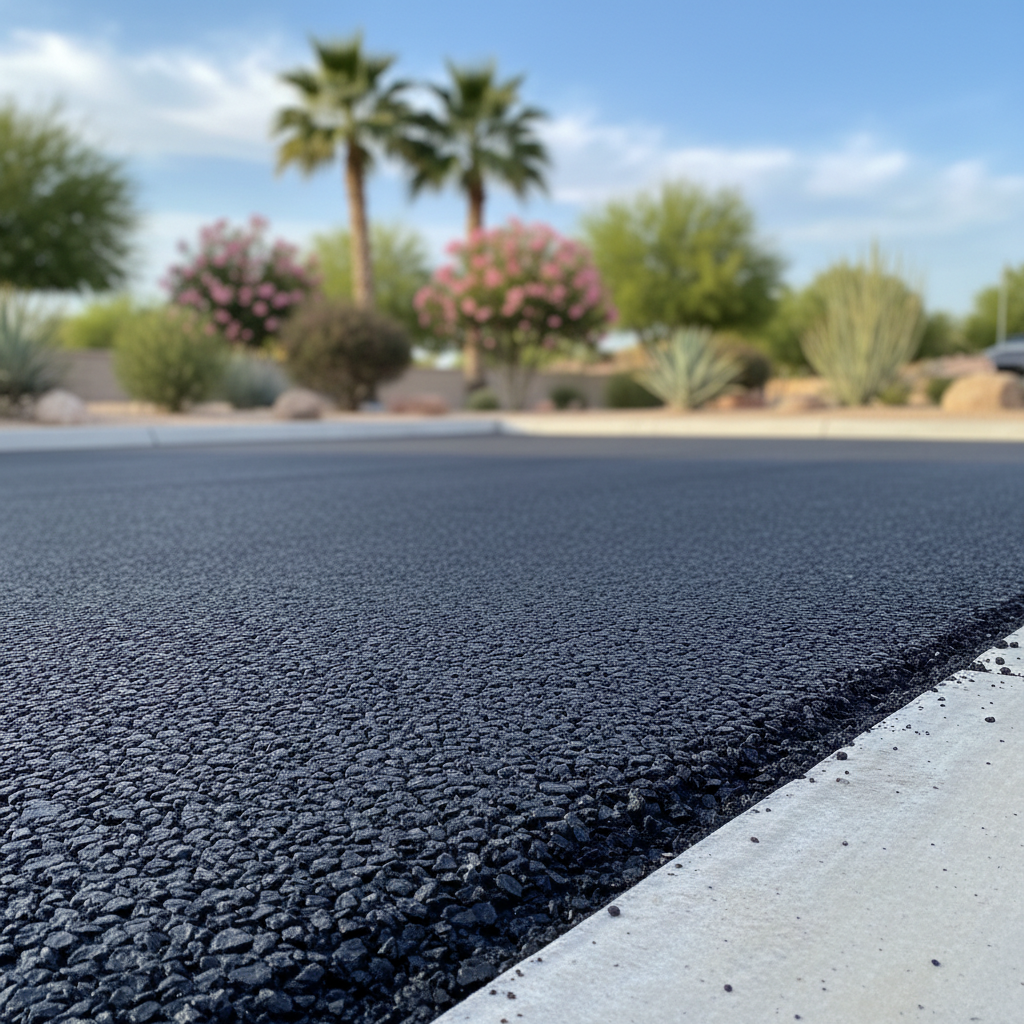
Many property owners look at a side yard or wide driveway space and consider turning it into a proper parking area. If you own an RV, a boat, or have multiple vehicles for the garage, adding a paved parking pad is a major upgrade. Before you rent a skid steer or call around, you need to know how the desert climate affects the job and what parts of the process actually require heavy equipment.
What You Can Handle Yourself
Sweat equity goes a long way if you are trying to keep costs down. You can easily take care of the initial layout and site clearing. Grab some stakes and mason string to mark out the exact boundaries of your new pad. If there are small shrubs, landscape rock, or irrigation lines in the way, clearing those out is straightforward weekend work.
You can also handle the rough excavation if the area is relatively small. Digging down a few inches to make room for base material is hard labor, but it does not require an engineering degree. Just make sure you are not digging right over utility lines; always call 811 before putting a shovel in the ground around Chandler.
Where the DIY Line Gets Drawn
Once the dirt is moved, you have to stop and look at the sub-base. Around neighborhoods like Ocotillo or down near the historic downtown grid, you either deal with expansive clay or loose sandy loam. If you do not compact that sub-grade properly, your new parking pad will crack and sink the first time a heavy vehicle parks on it.
Hot asphalt cools far too fast if you are trying to shovel it out of the back of a pickup truck by hand. You cannot achieve the uniform compaction needed to withstand a triple-digit Chandler summer afternoon without heavy commercial rollers and specialized paving machines. That is precisely where calling in a crew from Chandler Asphalt Paving changes the outcome entirely.
The Paving Phase and Curing
When the pros show up, they bring crushed aggregate base, grade it for proper drainage so monsoon rainwater does not pool against your home foundation, and lay hot-mix asphalt down mechanically.
Once our crew rolls out of your driveway, your job starts again during the curing phase. Fresh asphalt stays tender in the intense Arizona heat. Keep heavy vehicles off the new surface for at least a few days, and avoid turning your steering wheel while completely stationary to prevent scuffing the fresh mat.