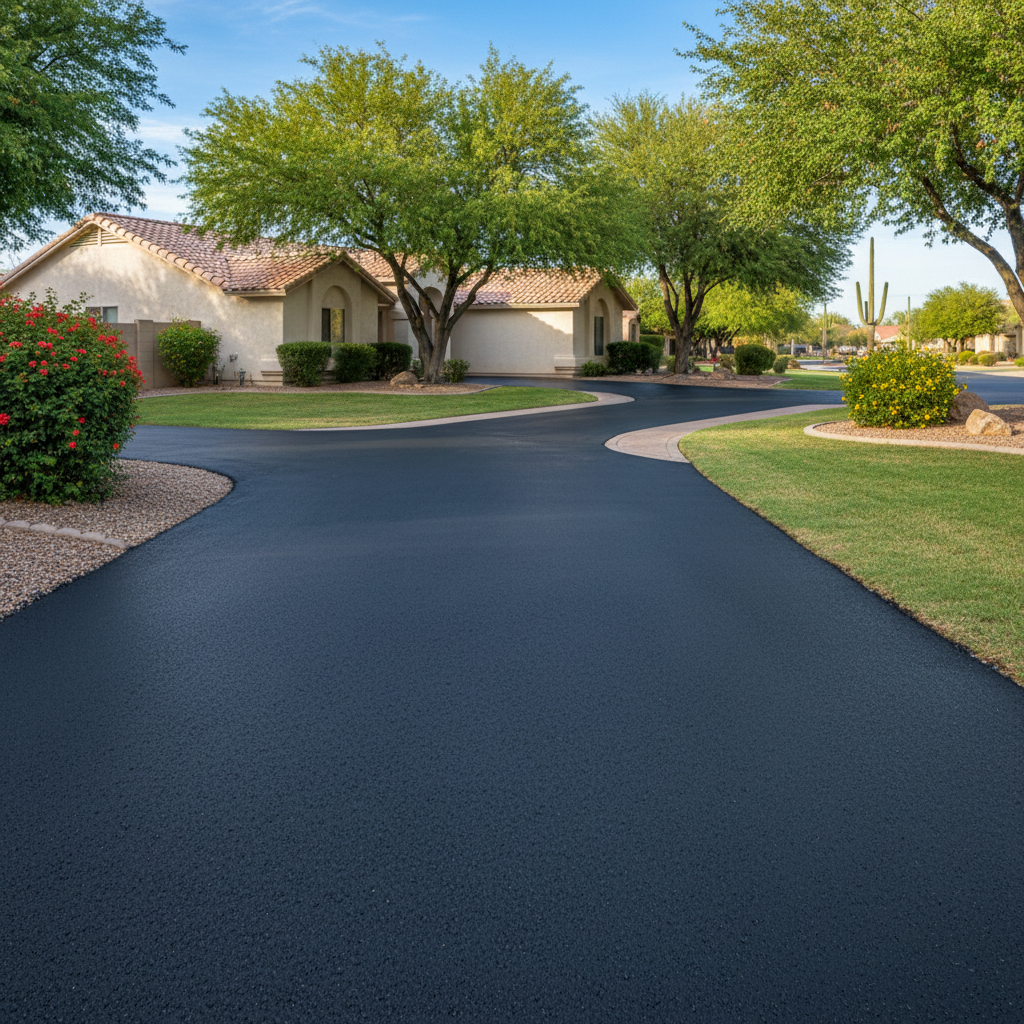
So, you've just put down a fresh slurry coat on your parking lot or driveway. Smart move. You've added a vital layer of defense against our brutal Arizona sun, those sudden monsoon downpours, and all the daily wear and tear. But don't think you can just forget about it now. Like anything else, a slurry coat needs a little care to truly last. You want to get the most from your investment, right? Let's chat about how to do just that.
Make Your Slurry Coat Last Longer
The biggest thing you can do to extend your slurry coat's life is to treat it right from the very start. That means giving it enough time to cure. I know it's super tempting to drive on it the minute it looks dry, but please, don't. We usually tell people to stay off it for at least 24 to 48 hours, sometimes even longer depending on how humid it is and the temperature. Driving on it too soon can leave tire marks, scuff up the surface, and just weaken that fresh seal. It's kind of like painting a wall and then touching it before it's fully dry – you just make a mess.
After that initial curing, think about what's hitting your pavement. Oil leaks from cars, gas spills, and even strong detergents can break down the binder in the slurry. If you spot a spill, clean it up fast. Don't let it just sit there and soak in. We're talking about a protective layer here, not something indestructible.
Also, keep an eye out for heavy vehicles. While a slurry coat does add protection, it's not meant to handle constant heavy loads that the asphalt underneath wasn't built for. If you've got delivery trucks constantly making tight turns on a residential driveway, that's going to put a lot of strain on any surface, slurry included.
Regular Upkeep: What You Should Be Doing
Keeping a slurry coat in good shape isn't brain surgery, but it is important. The main thing? Keep it clean. Dust, dirt, and other bits can act like sandpaper when cars drive over them, slowly grinding away at your slurry. A quick sweep or a blast with a leaf blower once a month can really help. If you have a bigger parking lot, maybe look into a professional sweeping service.
Another tip I always give folks here in Chandler is to watch out for standing water. Our monsoon season can dump a ton of rain in a short time. While a properly graded asphalt surface should drain water away, sometimes low spots or clogged drains can lead to puddles. Standing water, especially if it sits for days, can soften the asphalt and eventually mess with the slurry coat. If you're always seeing puddles, that's actually a bigger drainage problem we should probably check out, not just a slurry issue.
You won't need to reapply slurry every single year. A good, professional slurry coat from a company like Chandler Asphalt Paving should last you several years, usually three to five, maybe even longer if you take good care of it. It's all about shielding that underlying asphalt from our intense UV rays and the thermal shock of scorching days and cool nights.
Warning Signs You Can't Ignore
Your slurry coat will definitely tell you when it's starting to wear out. You just need to know what to look for. Here are some common signs:
- Fading Color: That rich black color starts looking like a dull gray. That's a pretty clear sign the top layer is oxidizing and losing its protective punch.
- Aggregate Showing Through: You'll begin to see the small stones (aggregate) from the asphalt underneath poking through the slurry. This means the slurry layer is getting thin.
- Fine Cracks Reappearing: Slurry coats are fantastic for sealing tiny hairline cracks. If those small cracks start showing up again, or new ones form, your slurry isn't doing its job anymore.
- Pitting or Spalling: Small areas where the slurry coat seems to be flaking off or eroding. This often happens in high-traffic spots or areas hit by harsh chemicals.
Don't wait until you see major alligator cracking or potholes. By then, you're looking at much bigger, more expensive repairs than just putting down a fresh slurry application.
When to Call a Pro
You should absolutely call us if you're seeing any of those warning signs I just mentioned. If your slurry coat looks tired, faded, or you're starting to see the aggregate, it's time for a new application. Getting ahead of it will save you money in the long run by protecting your asphalt base.
Also, if you notice any new, larger cracks forming, or if existing cracks are getting wider, don't just hope the slurry will fix it. Slurry is for surface protection and sealing tiny cracks. For anything wider than a quarter-inch, you'll need crack filling first. We can come out, check things over, and recommend the right approach. Sometimes, what looks like a small problem can actually be a sign of a bigger issue with the asphalt base, especially with our expansive clay soils in parts of Chandler that can shift and stress pavement.
Don't hesitate to reach out. We're here to help you keep your pavement in great shape. A little proactive maintenance really does go a long way in protecting your investment and keeping your property looking sharp.