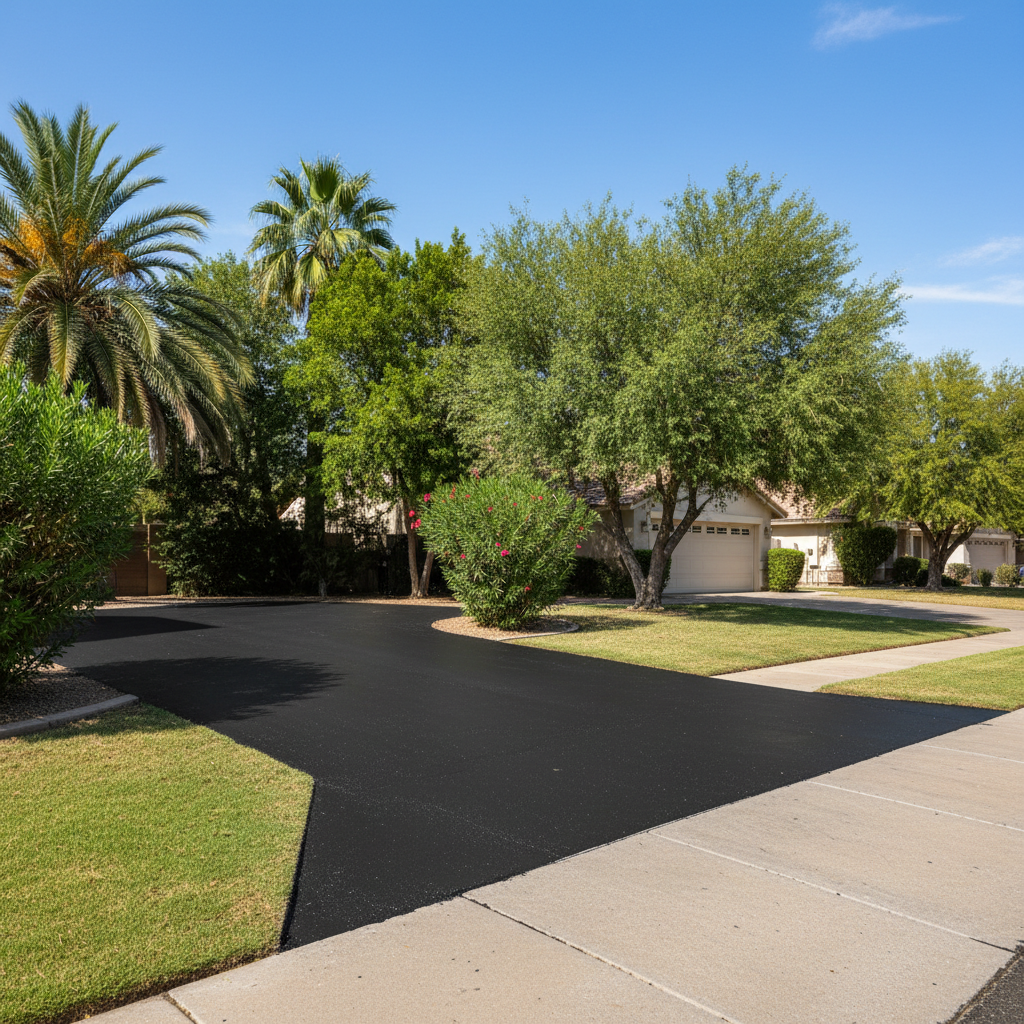
Alright, so you've put money into sealcoating your asphalt driveway or parking lot right here in Chandler. That was a smart move, believe me. It shields your pavement from the sun, water, and oil, helping it last a good deal longer. But getting it done? That's just half the battle. You really have to keep up with it, especially with our wild Arizona weather. I've seen too many people think sealcoating is a 'set it and forget it' kind of thing, then they're left wondering why it didn't hold up.
So, let's chat about what you can actually do to squeeze every bit of life out of that fresh sealcoat.
Making Your Sealcoat Last in the Desert Heat
The biggest enemy of asphalt in Chandler isn't just cars; it's the sun. Our intense UV rays and those triple-digit summer days are brutal on everything, and that includes your sealcoat. Here's how you fight back:
Give it Time to Cure: This is probably the most important step right after we finish. I tell everyone: stay off it! Usually, you're looking at 24 to 48 hours before you can walk on it, and then 48 to 72 hours before you can drive. If you rush things, you'll leave tire marks, scuffs, and basically ruin that protective layer before it even has a chance to harden properly. Think of it like fresh paint; you wouldn't touch that right away, would you?
Clean it Regularly: Dirt, dust, and all that debris act like sandpaper under tires. Sweep or blow off your asphalt often. A simple leaf blower or a stiff broom works wonders. Don't let sand and grit from our desert winds just sit there, grinding away at the surface.
Clean Up Spills Right Away: Oil, gas, and other car fluids are sealcoat killers. They'll break down the binder in the asphalt, creating soft spots or ugly stains. If you spill something, clean it up immediately. Use an absorbent material like cat litter or sand, then sweep it up. For really stubborn stains, a mild detergent and a stiff brush might do the trick, but be gentle, okay?
Avoid Heavy Point Loads: Try not to park heavy equipment or trailers with kickstands in the same spot for long periods, especially when it's hot out. Our asphalt gets softer in the heat, and those concentrated loads can leave permanent dents or even crack the sealcoat.
What Regular Maintenance Looks Like for Chandler Pavement
Beyond the immediate care after it's applied, ongoing maintenance is absolutely crucial. It's not rocket science, but it does need a little attention.
Inspect it Annually: Take a walk around your property once a year, maybe when it's cooler, like in the fall or spring. Look for any changes. Are there new cracks? Is the sealcoat starting to look faded or worn thin in those high-traffic areas? Catching small problems early saves you huge headaches and even bigger repair bills down the road.
Address Cracks Quickly: Even with sealcoat, cracks can still pop up. Our expansive clay soils in parts of Chandler can shift, which puts stress on your pavement. If you spot a crack, get it filled. Water is asphalt's worst enemy, and a crack is basically an open invitation for water to get underneath, erode the base, and cause bigger issues like potholes. Filling cracks before resealing is an absolute must.
Re-seal When It's Time: A good sealcoat job should last you 2 to 3 years, sometimes a bit longer, depending on how much traffic it sees and how well you take care of it. Don't wait until it's completely gone. Reapplying before it's too late means you're actually protecting the asphalt underneath, not just covering up damage. When you start seeing the original asphalt color showing through consistently, or if it's lost that deep black luster, it's probably time to start thinking about another coat.
Warning Signs You Can't Ignore
Your asphalt will definitely tell you when it's struggling. You just need to know what to look for:
Fading or Graying: The deep black color is gone, and your pavement looks dull or gray. This means the sealcoat is wearing thin, and the sun's UV rays are starting to hit the asphalt directly.
Aggregate Showing Through: If you can see the small stones (aggregate) in the asphalt mix poking through the sealcoat, it's definitely worn down. That protective layer just isn't doing its job anymore.
Lots of Small Cracks (Alligator Cracking): This pattern looks just like alligator skin, doesn't it? It usually means the asphalt underneath is failing, and the sealcoat can't hold it together. This is a much more serious issue than just a single crack.
Potholes or Depressions: These are clear signs of significant damage, often because water got into the base layer. Sealcoating won't fix these; they need proper patching.
When to Call a Professional (Like Us, Chandler Asphalt Paving)
Look, I'm all for DIY when it makes sense, but some things are just better left to the pros. You should definitely call us, or another reputable contractor, when:
You see alligator cracking or potholes: These aren't just cosmetic issues. They need patching or even a full-depth repair, which is not a DIY job.
The entire surface is faded and worn: If you're seeing widespread wear, it's time for a professional reapplication of sealcoat. We have the right equipment and materials to make sure you get an even, long-lasting coat.
You have significant drainage issues: If water is pooling on your asphalt, that's going to cause problems. This could be a sign of a failing base or improper grading, which really needs an expert assessment.
You're just not sure: If you're walking around your property, scratching your head, and wondering if it's time for more than just a sweep, just give us a call. We're happy to come out, take a look, and give you an honest assessment. It's always better to ask than to let a small problem turn into a huge one, right?
Taking care of your sealcoated asphalt isn't hard, but it does need you to be consistent. A little effort goes a long way in protecting your investment and keeping your property looking good, even under that relentless Arizona sun.