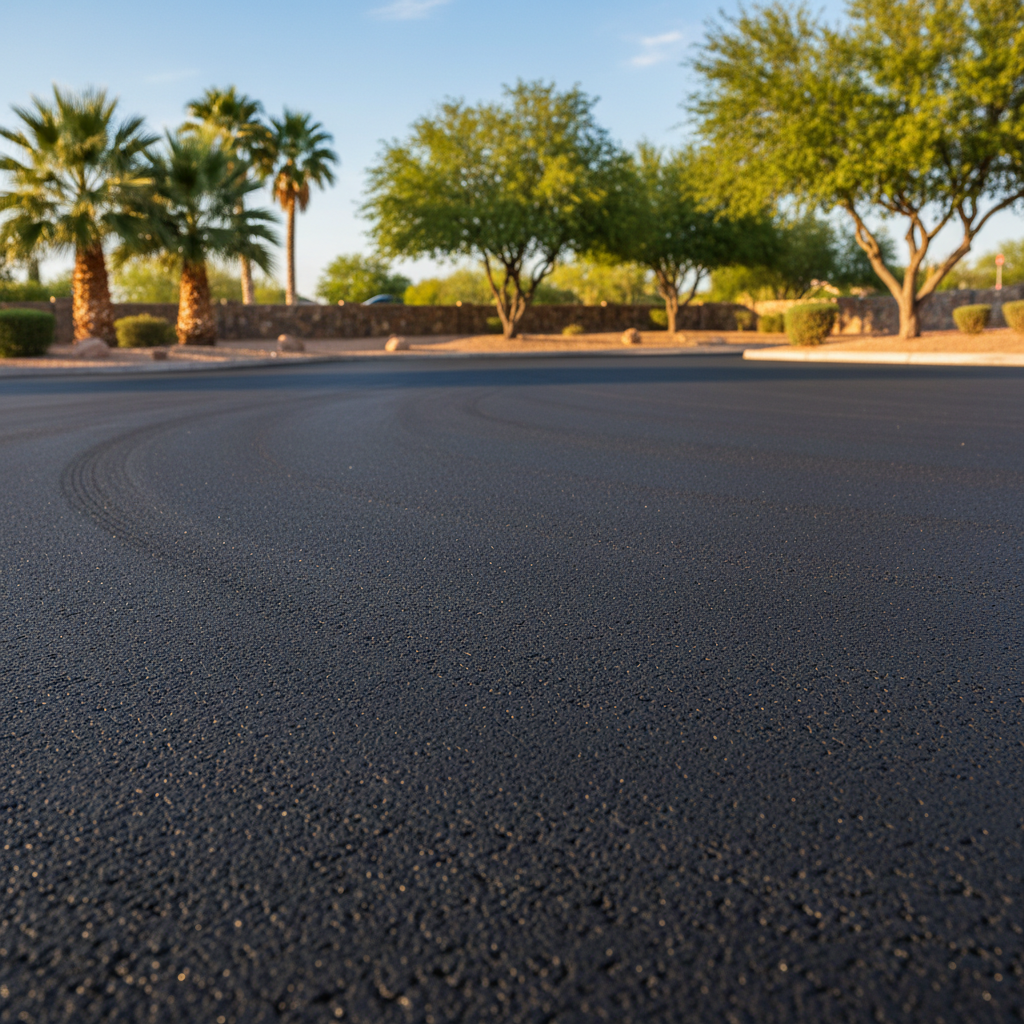
Alright, let's talk about your home's parking lot. Maybe it's seen better days, or perhaps you're putting in a new one. Either way, you're probably wondering what you can do yourself and when it's time to call someone like me at Chandler Asphalt Paving. I've been around enough parking lots in the Valley to know what works and what doesn't, especially with our intense Arizona sun and those crazy monsoon downpours, you know? It really makes a difference.
Before the Project: Planning and Prep
Before any asphalt touches the ground, you've got to do some homework. This isn't just about grabbing a shovel; it's about setting yourself up for success. What's the area like? How much traffic will it see? Is it just for your family cars, or do you have an RV that sits there for months?
What You Can DIY:
- Clear the Area: You can definitely handle clearing out weeds, debris, or any old gravel that's loose. Grab a rake and a shovel and get to it.
- Basic Measurement & Layout: Figure out the dimensions of your desired parking area. Use stakes and string to mark it out. Think about how cars will move and park.
- Drainage Observation: This is huge, especially in Chandler. Where does the water go when it rains? You don't want puddles sitting on your new asphalt, because standing water is asphalt's worst enemy. Just observe and note any low spots.
- Call 811: Before any digging, even minor, you absolutely need to call 811 to have underground utilities marked. It's free, it's the law, and it can save you a massive headache (and potential disaster).
When to Call a Pro:
- Site Assessment & Design: If you're building a new parking lot or replacing an old one, a pro will assess the soil, figure out the right base depth, and design proper drainage. This is crucial for longevity. For example, some older Chandler neighborhoods, especially those built on former agricultural land, can have tricky clay soils that need special handling.
- Permits & Regulations: Depending on the size and scope, you might need permits. A good contractor knows the local codes and can handle this for you.
- Heavy Demolition & Grading: Removing old, damaged asphalt or concrete, or doing significant grading to establish the right slope for drainage, requires heavy machinery and expertise. This isn't a DIY job.
- Sub-base Preparation: The foundation is everything. Getting the sub-base right – compacting it properly and making sure it's stable – makes all the difference. If this isn't done right, your new asphalt won't last.
During the Project: Laying the Asphalt
This is where the rubber meets the road, literally. Asphalt paving is a specialized trade that needs specific equipment and knowledge.
What You Can DIY:
- Small Patching: If you have a small pothole or a few cracks, you can definitely tackle this yourself. You can get cold patch asphalt from a hardware store. Clean out the hole, fill it with the cold patch, and tamp it down. For cracks up to about an inch wide, crack filler in a tube or pourable form works well. Clean the crack thoroughly first.
- Keeping the Area Clear: If you've got pros working, your job is to make sure the area is free of vehicles, pets, and people. Keep that sprinkler system off too, especially before striping.
When to Call a Pro:
- Any New Paving or Resurfacing: Laying down a new asphalt parking lot or putting an overlay on an existing one is a big job. It involves specialized equipment like pavers and heavy rollers to ensure proper compaction and a smooth finish. You won't get the right results trying to do this with a few shovels and a hand tamper.
- Large-Scale Repairs: If you have extensive alligator cracking or multiple large potholes, a professional repair will be more durable and cost-effective in the long run. DIY cold patch is often a temporary fix.
- Proper Compaction: This is critical. Asphalt needs to be compacted at specific temperatures to remove air pockets and create a dense, durable surface. Pros have the heavy rollers to do this right.
- Weather Considerations: Paving needs specific temperature ranges, usually above 40°F, and definitely not during rain. Pros know when it's safe to pave for optimal results.
After the Project: Care and Maintenance
Once that fresh asphalt is down, your work isn't over. Proper care in the first year and ongoing maintenance will significantly extend its life.
What You Can DIY:
- Initial Curing Protection: Don't drive on new asphalt for at least 24 hours, and longer if it's hot out. For the first few months, avoid parking in the exact same spot all the time, and definitely don't turn your steering wheel while stationary on fresh asphalt.
- Clean Up Spills: Oil, gas, or other automotive fluids can damage asphalt. Clean them up immediately with an absorbent material like sawdust or cat litter.
- Weed Control: Keep weeds from growing along the edges or in small cracks. Their roots can cause bigger problems.
- Light Cleaning: Sweeping and light pressure washing can keep your parking lot looking good and prevent debris buildup.
When to Call a Pro:
- Sealcoating: About a year after installation, and then every 2-5 years, you'll want to sealcoat. This protects the asphalt from UV rays, water, and chemicals. While you can technically DIY sealcoating, a professional application will be more even, durable, and provide better protection.
- Crack Sealing: For larger or numerous cracks, professional crack sealing is more effective at preventing water penetration and extending pavement life.
- Regular Inspections: A professional can spot potential issues early, like minor cracks that can turn into potholes if ignored.
Look, I get it. You want to save a buck where you can. For small repairs and general upkeep, you've got this. But when it comes to the heavy lifting – the excavation, the base work, and laying down new asphalt – that's when you really need the right tools, experience, and crew. That's where Chandler Asphalt Paving comes in. We've got the know-how to make sure your parking lot is built to last, even in our tough desert environment.